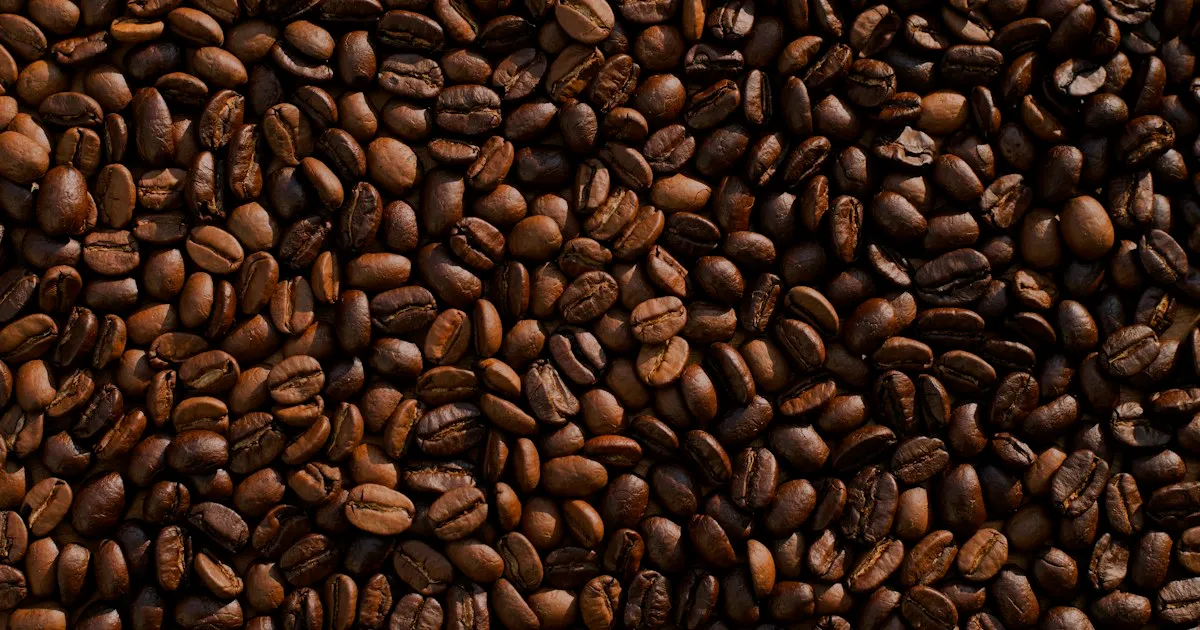
Photo by Mike Kenneally on Unsplash
Specialty coffee: where the money in your cup goes
I pay three times the supermarket price for my specialty coffee, and I’m happy to. One day, chatting with the roaster I buy from, I asked how much the farmer actually gets. He answered honestly: he knew the price he paid per kilo of green coffee, and beyond his importer, he couldn’t see.
The world price doesn’t reward taste
Ordinary coffee trades as a commodity, with the arabica futures price as the common reference. That price reacts to Brazilian weather, the dollar and financial positions. It has nothing to do with the quality of what was picked on one particular plot. A farmer who sorts better, who picks only ripe cherries and dries them slowly, earns nothing extra if they sell through that channel.
Specialty coffee was built precisely against this. Lots are scored, altitude, variety and processing are documented, and a price is negotiated away from the commodity index. On paper, it’s a way to pay for effort, and it works. In practice, you have to look at who takes part in the negotiation.
The bean’s route, step by step
Between the cherry and the cup, value passes through a line of intermediaries, and each one adds a cost and a margin: cooperative or washing station, exporter, importer, roaster, retailer or café. None of these players is illegitimate, and all of them do real work. The notable point lies elsewhere.
The farmer sells a raw agricultural product, by volume, with yearly cash flow and the full climate risk. The roaster sells a processed product, in small packs, with a much higher margin per kilo and a stock to turn over. The café that serves your cup sells a service, with the biggest margin in the whole chain. The further you move from the plant, the more value accrues and the less risk you carry.
The farmer also carries the longest part of the cycle. A coffee tree takes several years to produce, a disease or a frost can wipe out a whole season, and the selling price is only known long after the costs have been committed. The roaster adjusts their price with the next bag.
Corrective mechanisms exist: minimum prices, premiums paid to producer organisations, direct purchasing. They improve things where they apply. They remain patches on a structure that, without them, still leans the same way.
What traceability says and doesn’t say
My bag shows the farm, the altitude, the variety, the roasting date. That detail is pleasant and often sincere. It tells you where the product comes from, never how its price is split. You know where the coffee comes from, but not where the money goes.
A few roasters publish the price paid to the farmer next to the retail price. It’s rare, and it’s the only piece of information that would let us compare something other than stories. When a supply chain can document a variety down to the gram but stays vague about one line of the accounts, the problem isn’t a lack of data collection.
I keep buying this coffee. It tastes better, and I like the roaster’s work. My share of virtue stops there: I pay more for a product whose split I don’t know, and I call that an ethical choice because it’s more comfortable than calling it a taste choice.
What I look at now
Just one thing: can the seller tell me the price paid to the farmer? My roaster doesn’t know that figure. He told me so without dodging, and I still buy my beans from him.
Related articles
Lacto-fermentation at home: preserving food without a fridge
Cabbage, salt, a jar and patience. Lacto-fermentation keeps vegetables for months without electricity, and the result tastes better than shop-bought.
Lire l'article →
Raw-milk cheese: taste versus procedure, and who decides
Native flora, pasteurisation, and why raw-milk cheese keeps disappearing from shelves without ever having been banned. Taste against procedure, explained.
Lire l'article →Sources
What I read, watched or checked while writing this article.
- International Coffee Organization: tracking of world prices and of the income of producing countries ico.org (opens in a new tab)
- Specialty Coffee Association: definition of specialty coffee and cupping protocols sca.coffee (opens in a new tab)
- Fairtrade International: minimum price and premium mechanisms paid to producer organisations fairtrade.net (opens in a new tab)